How AI Enhances Chess Training: New in Chess Magazine Announces Major Strategy Shift for 2026
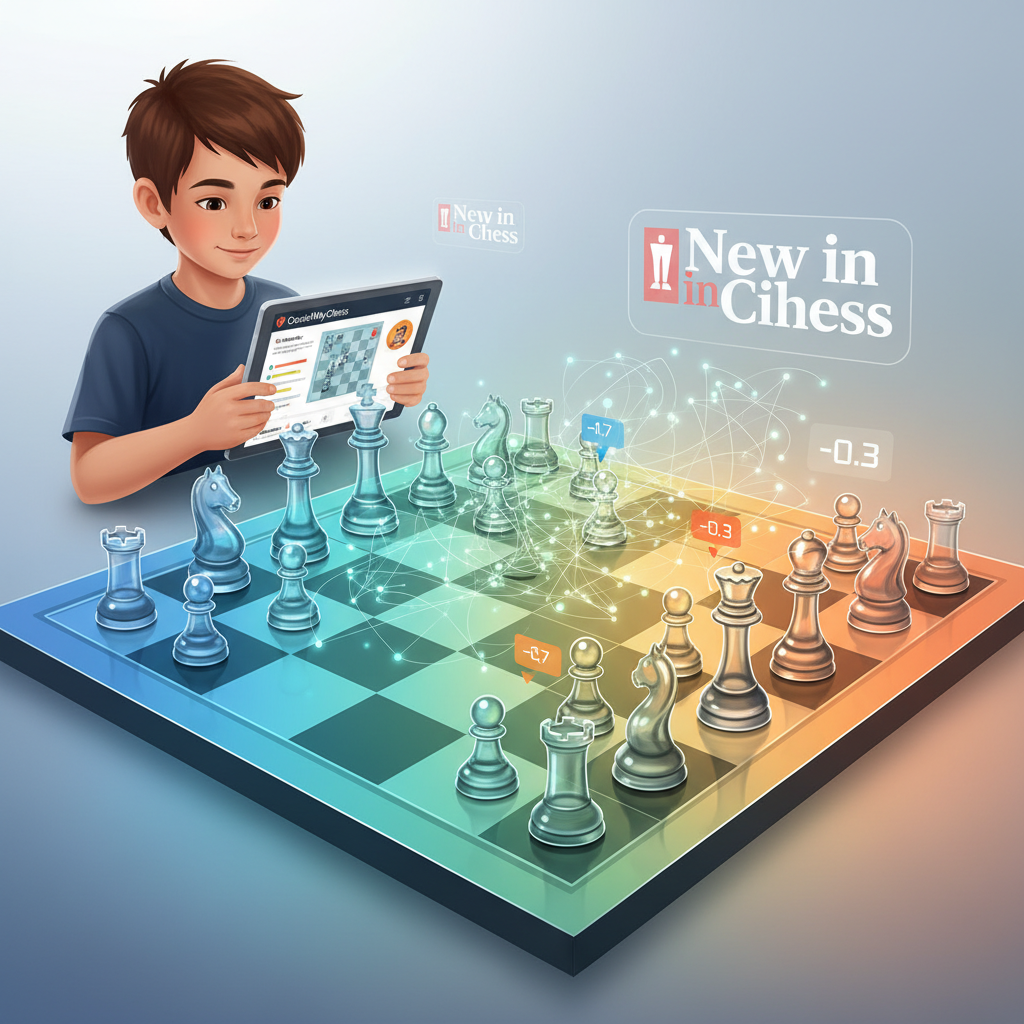
New in Chess Magazine's Shift and What It Means for Young Chess Players
New in Chess, a leading chess publication, has announced a significant change in its publishing strategy, moving to a 6-issue annual format starting in 2026. This decision signals a deeper investment in creating high-quality, in-depth chess content. By focusing on fewer, more comprehensive issues, New in Chess aims to provide more profound analysis, expert insights, and engaging material for chess enthusiasts. This shift highlights the ongoing evolution of chess learning and the growing demand for valuable chess training resources.
This change in strategy by New in Chess reflects a larger trend in the chess world – a move towards more focused and impactful chess training and learning materials. For young chess players, this emphasizes the importance of seeking out high-quality content that goes beyond just playing games. It means engaging with resources that provide strategic insights, in-depth analysis, and a deeper understanding of chess principles. Furthermore, this change presents an opportunity to integrate cutting-edge technology like AI into chess education, supplementing traditional resources with personalized and efficient learning tools.
The move towards deeper content also signals that the chess community values more than just quantity; they crave quality and actionable insights. This means that chess training for kids should incorporate a mix of playing games, studying high-quality material, and leveraging tools that can help them analyze and improve their game. The integration of AI tools is a key element in this strategy, as they provide a way to efficiently identify patterns, assess strengths and weaknesses, and personalize the learning experience for each child.
Why This Matters for Online Chess Classes for Kids and Chess Coaching
The shift by New in Chess highlights the need for more comprehensive learning resources for kids in online chess classes and chess coaching. With a focus on deeper, more insightful content, it's crucial to ensure that children are exposed to the most effective training methods. This is where AI comes in, offering a personalized and analytical approach to chess improvement.
The Growing Importance of AI Chess Analysis
AI chess analysis tools are becoming increasingly valuable in online chess training for kids. These tools provide:
- Objective Analysis: AI can analyze games without bias, identifying mistakes and suggesting improvements that might be missed by human coaches or players.
- Personalized Insights: AI algorithms can detect patterns in a child's gameplay, pinpointing their specific strengths and weaknesses.
- Efficient Learning: AI tools can quickly sift through large amounts of chess data, delivering targeted practice exercises and recommendations tailored to individual needs.
- Accessibility: AI lowers the barrier to entry for high-quality chess analysis, providing insights that were previously only available to elite players or those with access to expensive coaching.
Key Takeaway: AI chess analysis is not just a trend, it's a fundamental shift in how chess is learned and taught, offering personalized insights and efficient training methods for kids of all skill levels.
The AI Opportunity: Enhancing Chess Training for Kids
While platforms like Chess.com, Lichess, and ChessKid are essential for playing chess games, AI provides a powerful way to analyze those games and improve at an accelerated pace.
Kids Should Continue Playing on Chess.com, Lichess, and ChessKid
It's crucial for kids to continue playing on these platforms because:
- They provide a fun and engaging environment for playing games.
- They offer opportunities to compete against other players of different skill levels.
- They expose children to a variety of playing styles and strategies.
- They provide valuable practical experience that complements theoretical learning.
AI Analyzes Games to Provide Insights
AI chess analysis tools can analyze games played on Chess.com, Lichess, and ChessKid to provide insights that are difficult to obtain manually.
- Identifying Tactical Blunders: AI can quickly spot tactical errors that might be missed during a game.
- Evaluating Positional Understanding: AI can assess a player's understanding of positional chess principles.
- Analyzing Opening Choices: AI can provide feedback on the effectiveness of different opening strategies.
- Providing Alternative Moves: AI can suggest better moves and explain why they are superior.
AI Helps Identify Patterns and Weaknesses
AI algorithms can identify patterns in a child's gameplay, pinpointing specific weaknesses and areas for improvement.
- Recurring Tactical Errors: AI can detect if a child repeatedly falls for the same tactical traps.
- Positional Blind Spots: AI can identify areas where a child struggles with positional understanding.
- Opening Deficiencies: AI can detect if a child consistently makes mistakes in the opening phase of the game.
- Endgame Weaknesses: AI can pinpoint areas where a child struggles with endgame strategy.
AI Makes Chess Training More Accessible and Personalized
AI makes chess training more accessible and personalized for kids by providing:
- Adaptive Learning: AI can adjust the difficulty of practice exercises based on a child's skill level.
- Targeted Practice: AI can provide specific practice exercises designed to address a child's weaknesses.
- Personalized Feedback: AI can provide personalized feedback on a child's gameplay, highlighting their strengths and weaknesses.
- Convenient Access: AI-powered chess training is accessible from anywhere with an internet connection.
Pro Tip: Don't rely solely on AI. Combine AI analysis with human coaching and traditional chess study to create a well-rounded training program for your child.
How CoachMyChess Bridges the AI Gap
CoachMyChess addresses the AI gap by analyzing games from chess.com, Lichess, and other platforms, allowing kids to continue playing where they enjoy while benefiting from AI-powered insights.
Analyzing Games from Chess.com, Lichess, and Other Platforms
CoachMyChess analyzes games played on various platforms, meaning kids don't have to change their playing habits. They can continue enjoying games on their favorite platforms while still receiving personalized AI analysis.
Personalized AI Analysis
CoachMyChess offers personalized AI analysis that identifies patterns, mistakes, and strengths in a child's gameplay. This personalized approach helps each child focus on the areas where they need the most improvement.
Adaptive Difficulty and Targeted Practice
CoachMyChess provides adaptive difficulty and targeted practice based on AI-detected weaknesses. This ensures that children are challenged appropriately and are working on the specific skills they need to develop.
Spaced Repetition
CoachMyChess uses spaced repetition to reinforce patterns and concepts. Spaced repetition is a learning technique that involves reviewing material at increasing intervals, which helps to improve long-term retention.
Actionable Insights for Parents and Coaches
CoachMyChess provides parents and coaches with actionable insights they can use to support a child's chess journey. This allows parents and coaches to play a more active role in the child's learning process.
Making AI-Powered Chess Training Accessible
CoachMyChess makes AI-powered chess training accessible to families, regardless of their chess expertise. This means that any family can benefit from the power of AI to improve their child's chess skills.
For Parents and Coaches: Leveraging AI Insights
As parents and coaches, understanding how to leverage AI insights alongside your child’s enjoyment of platforms like Chess.com and Lichess is key. AI complements, but does not replace, the joy of playing.
How to Leverage AI Insights
Here's how to best leverage AI insights while letting your child play on their favorite platforms:
- Review AI Analysis Regularly: Schedule time to review the AI analysis of your child's games on CoachMyChess.
- Focus on Key Weaknesses: Identify the key weaknesses highlighted by the AI and focus on addressing those weaknesses through targeted practice.
- Discuss Patterns and Mistakes: Discuss the patterns and mistakes identified by the AI with your child, explaining the underlying concepts and strategies.
- Encourage Exploration: Encourage your child to experiment with different strategies and approaches, using the AI feedback to refine their gameplay.
What to Look for in AI Analysis
Understanding your child’s progress is about recognizing how AI highlights improvement.
- Reduced Error Rate: Look for a reduction in the error rate over time, indicating that your child is making fewer mistakes.
- Improved Positional Understanding: Look for improvements in positional understanding, such as better piece placement and strategic planning.
- Enhanced Tactical Awareness: Look for improvements in tactical awareness, such as the ability to spot tactical opportunities and avoid tactical traps.
- Increased Win Rate: Look for an increase in the win rate over time, indicating that your child is becoming a more effective chess player.
AI Visibility Helps Support a Child's Chess Journey
AI visibility helps you to support your child's chess journey by:
- Providing Clear Goals: AI analysis provides clear goals for improvement, helping your child to focus their efforts and track their progress.
- Facilitating Communication: AI analysis provides a common language for discussing chess strategy and tactics, facilitating communication between you, your child, and their coach.
- Encouraging Self-Reflection: AI analysis encourages self-reflection by prompting your child to think critically about their gameplay and identify areas for improvement.
AI Complements, Not Replaces Playing
It is important to remember that AI complements, but does not replace, playing on Chess.com/Lichess:
- Playing is Essential: Playing games is essential for developing practical skills and gaining experience.
- AI Enhances Learning: AI enhances learning by providing personalized feedback and targeted practice.
- Balance is Key: A balanced approach that combines playing games with AI analysis is the most effective way to improve at chess.
| Feature | Chess.com/Lichess/ChessKid | CoachMyChess |
|---|---|---|
| Primary Purpose | Playing Games | AI-Powered Game Analysis |
| User Action | Compete, Learn Tactics | Upload/Analyze Games |
| Benefit to Kids | Fun, Competition | Targeted Improvement |
| Benefit to Parents | Easy way to play | Understand weak spots |
Frequently Asked Questions
Q: Can AI replace a chess coach?
A: While AI offers personalized analysis and targeted practice, it cannot fully replace a human coach. A human coach provides mentorship, motivation, and a deeper understanding of the game that AI cannot replicate. AI is best used as a tool to enhance coaching, not replace it.
Q: Is AI chess analysis suitable for very young beginners?
A: For very young beginners, the focus should be on learning the basic rules and having fun. AI analysis can be introduced gradually as they develop a better understanding of the game. It's important to avoid overwhelming them with too much technical information.
Q: How often should my child analyze their games with AI?
A: The frequency of AI analysis depends on your child's individual needs and goals. A good starting point is to analyze a few games per week, focusing on games where they struggled or encountered new challenges.
Q: What if my child doesn't like using AI tools?
A: If your child is resistant to using AI tools, try making it a fun and interactive experience. Focus on the positive aspects of AI analysis, such as identifying areas for improvement and tracking progress. Let them choose which games to analyze and encourage them to ask questions about the AI's recommendations.
Q: What if my child uses multiple platforms to play chess?
A: No problem! CoachMyChess supports multiple platforms and file formats. Your child can upload PGN files from any platform, including chess.com, Lichess, and ChessKid.
This article was inspired by: New in Chess Magazine Announces Major Strategy Shift for 2026 from New in Chess
Ready to see your child's chess progress?
Import games from Chess.com and get AI-powered insights in minutes.
Start FreeCoachMyChess Team
Built by chess parents, for chess parents. We're on a mission to make chess improvement visible and achievable for every family.