How AI Enhances Chess Training: Carlsen and Nakamura Exhibition: Blindfold Chess at ICE Barcelona 2026
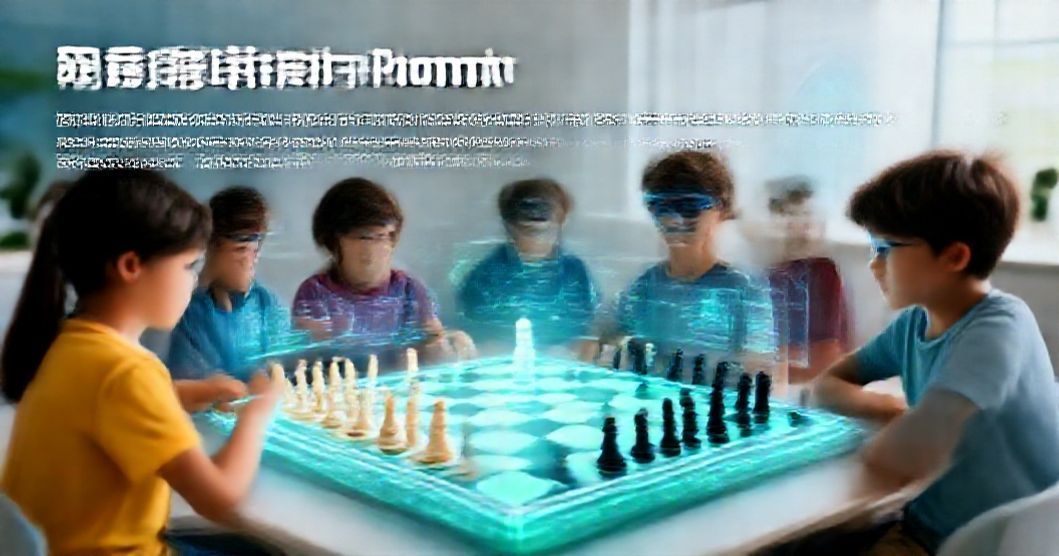
Carlsen and Nakamura Exhibition: A Glimpse into Chess Mastery and the Power of AI in Kids' Chess Training
What is blindfold chess and why does it matter for kids' chess training? Blindfold chess involves playing a game without seeing the board, relying entirely on memory and visualization. Witnessing such a feat, like the Carlsen and Nakamura exhibition, showcases the incredible potential of the human mind and inspires young chess players to develop their own memory and visualization skills, critical components of chess mastery.
The Carlsen and Nakamura exhibition of blindfold chess at ICE Barcelona 2026 was more than just a spectacle; it offered a profound insight into the levels of mental calculation and pattern recognition achievable in chess. For aspiring young chess players, it highlights the importance of developing these crucial skills, skills that are now more accessible than ever thanks to AI-powered tools like CoachMyChess.
Summary of the Carlsen and Nakamura Blindfold Chess Exhibition
The exhibition featuring Magnus Carlsen and Hikaru Nakamura playing blindfold chess was a captivating demonstration of the remarkable capabilities of grandmaster-level chess players. Playing without sight of the board requires an extraordinary level of memory, visualization, and calculation. The event served as a testament to their deep understanding of chess principles and their ability to mentally manipulate complex board positions. It underscored the years of dedicated practice and cognitive development required to reach such heights in the game.
The significance for younger players lies in the inspiration and motivation derived from witnessing such impressive feats. While not all children will aspire to become grandmasters, the exhibition demonstrates the potential for mental growth and strategic thinking that chess can unlock. Understanding that Carlsen and Nakamura weren't born with these skills, but cultivated them through consistent effort, can encourage young players to dedicate themselves to improving their own game, even incrementally. It showcases the power of visualization, pattern recognition and strategic thinking—skills that are transferable to other areas of life.
Why Blindfold Chess Matters for Kids and Beginners
Witnessing top players engage in blindfold chess can be incredibly inspiring for young learners. It demonstrates that chess mastery goes beyond simply moving pieces on a board. It’s about understanding the underlying principles, visualizing possibilities, and calculating consequences. This exhibition showcased a high-level application of these skills, illustrating the potential that diligent practice can unlock.
Here's why it resonates with kids and beginners:
- Inspiration: Shows the incredible potential of the human mind.
- Motivation: Encourages kids to develop their own visualization skills.
- Understanding: Highlights the importance of memory and calculation in chess.
The AI Opportunity: Revolutionizing Chess Training for Kids
Kids love playing chess online, and they should continue doing so! Chess.com, Lichess, ChessKid, and similar platforms are essential for playing games, practicing tactics, and competing with others. However, simply playing games isn't always enough to improve significantly. That's where AI comes in.
AI analysis can provide insights that were previously unavailable, helping kids identify their weaknesses, understand patterns, and improve their overall game. Think of it as having a personal chess coach who never gets tired and can analyze every move you make. This includes games played on platforms like Chess.com, Lichess, and ChessKid. The real power comes from analyzing those games after they're played.
Here's how AI enhances chess training:
- Identifies weaknesses: AI pinpoints recurring mistakes and areas for improvement.
- Understands patterns: AI reveals strategic and tactical patterns that players might miss.
- Provides personalized training: AI tailors exercises and lessons to individual needs.
- Tracks progress: AI monitors performance and shows improvement over time.
- Makes learning fun: AI provides engaging and interactive ways to learn chess.
AI helps provide visibility for parents and coaches by exposing patterns. The AI doesn't replace the coach, it augments them.
How CoachMyChess Bridges the AI Gap
CoachMyChess understands that kids want to play on their favorite platforms like Chess.com and Lichess. We don't want to change that! Instead, CoachMyChess complements these platforms by providing powerful AI analysis that helps kids learn from their games and improve their skills.
Here's how CoachMyChess bridges the gap between playing online and leveraging the power of AI:
- Analyzes games from any platform: Kids can upload their games from Chess.com, Lichess, ChessKid, or any other chess platform.
- Provides personalized AI analysis: CoachMyChess uses advanced AI algorithms to identify mistakes, strengths, and strategic patterns.
- Offers adaptive difficulty: The platform adjusts the difficulty of exercises and lessons based on the player's skill level.
- Provides targeted practice: CoachMyChess focuses on areas where the player needs the most improvement.
- Uses spaced repetition: The platform uses spaced repetition to reinforce key concepts and ensure long-term retention.
- Gives actionable insights: CoachMyChess provides clear and concise explanations of the AI's findings, along with recommendations for improvement.
- Visibility for parents and coaches: Parents and coaches can easily track their child's progress and see where they need help.
CoachMyChess bridges the AI gap to bring personalized chess training to every child. It analyzes games from popular platforms, identifies weaknesses, and provides actionable insights to improve gameplay.
Key Takeaway: CoachMyChess doesn't replace playing on Chess.com or Lichess; it complements them by providing AI-powered analysis and personalized training that helps kids learn from their games and improve their skills.
For Parents and Coaches: Actionable Advice on Using AI for Chess Improvement
As a parent or coach, you want to provide your child with the best possible resources to succeed in chess. AI-powered chess analysis tools like CoachMyChess can be invaluable in helping them reach their full potential.
Here's some actionable advice on how to leverage AI insights:
- Encourage regular play: Kids should continue playing on Chess.com, Lichess, or ChessKid to develop their skills and gain experience.
- Analyze games with AI: Use CoachMyChess to analyze their games and identify areas for improvement.
- Focus on key mistakes: Pay attention to the AI's recommendations and help your child understand why they made certain mistakes.
- Practice targeted exercises: Use CoachMyChess's exercises to focus on the areas where your child needs the most improvement.
- Track progress over time: Monitor their progress and celebrate their successes.
- Communicate with your child: Talk to them about their games and help them understand the AI's analysis.
- Work with a chess coach (optional): A chess coach can provide personalized guidance and support, while AI analysis can provide valuable insights to inform their coaching.
- Visibility of patterns: AI tools help highlight patterns of mistakes for both kids and coaches.
- AI doesn't replace chess.com/Lichess: It complements those platforms.
AI provides visibility and actionable data you can discuss and use to focus your child's training efforts.
Pro Tip: Instead of focusing solely on winning or losing, emphasize the importance of learning from mistakes. Use AI analysis to turn losses into learning opportunities.
Common Mistakes to Avoid When Using AI in Chess Training
While AI can be a powerful tool for chess training, it's important to avoid common mistakes that can hinder progress:
- Relying solely on AI: Don't let AI replace human coaching or independent thinking.
- Ignoring intuition: Encourage kids to develop their own intuition and judgment.
- Over-analyzing every move: Focus on key mistakes and strategic patterns, not every single move.
- Getting discouraged by mistakes: Frame mistakes as learning opportunities and encourage a growth mindset.
- Forgetting the fun: Make sure chess remains enjoyable and engaging.
Frequently Asked Questions
Q: How can blindfold chess help my child improve their chess skills?
A: While not directly replicating blindfold chess, the principles of visualization and mental calculation are invaluable. Practicing visualizing board positions and calculating moves in your head, even without being completely blindfolded, strengthens these skills, leading to better strategic thinking and pattern recognition in regular chess games. Tools like CoachMyChess can identify areas where visualization or calculation skills are weak, suggesting specific exercises.
Q: What are the benefits of online chess classes for kids?
A: Online chess classes offer flexibility, convenience, and access to a wide range of instructors. They provide structured learning, personalized feedback, and opportunities to interact with other young chess players. CoachMyChess can complement these classes by providing AI analysis of games played in class, allowing students to identify areas where they need extra help and instructors to tailor their lessons to individual needs.
Q: How can I find the best chess coaching for my child online?
A: Look for experienced coaches with a proven track record of success. Check their qualifications, read reviews, and consider a trial lesson to see if they are a good fit for your child. Ask about their coaching philosophy and how they incorporate technology, such as AI analysis, into their training. CoachMyChess can augment any coach!
Q: Can AI chess analysis really help my child improve their chess game?
A: Yes! AI chess analysis provides objective insights into a player's strengths and weaknesses, identifying patterns and mistakes that are often missed by human coaches or self-analysis. This personalized feedback allows players to focus their training on the areas where they need the most improvement, leading to faster and more effective progress. CoachMyChess makes this AI analysis accessible and easy to understand for kids and parents alike.
Q: Is CoachMyChess a substitute for playing on Chess.com or Lichess?
A: No. CoachMyChess complements these platforms. Kids need Chess.com, Lichess, and ChessKid to play games. CoachMyChess analyzes games from these platforms to provide AI-powered insights, pattern recognition, and personalized training. This is an essential step toward improvement.
Q: How does CoachMyChess use spaced repetition to improve chess skills?
A: CoachMyChess uses spaced repetition, a learning technique based on increasing the time intervals between reviews of previously learned material. This helps reinforce concepts and ensure long-term retention. The platform identifies key concepts and tactics that a player needs to master and schedules review sessions at optimal intervals based on their individual learning patterns.
This article was inspired by: Carlsen and Nakamura Exhibition: Blindfold Chess at ICE Barcelona 2026 from FIDE News
Ready to see your child's chess progress?
Import games from Chess.com and get AI-powered insights in minutes.
Start FreeCoachMyChess Team
Built by chess parents, for chess parents. We're on a mission to make chess improvement visible and achievable for every family.